Unlocking Tiered Benefits: The Connection Between Mobile Transactions and Dedicated Service in Interactive Gaming Apps
Written by Clara Lange · Aug 4, 2026
Unlocking Tiered Benefits: The Connection Between Mobile Transactions and Dedicated Service in Interactive Gaming Apps
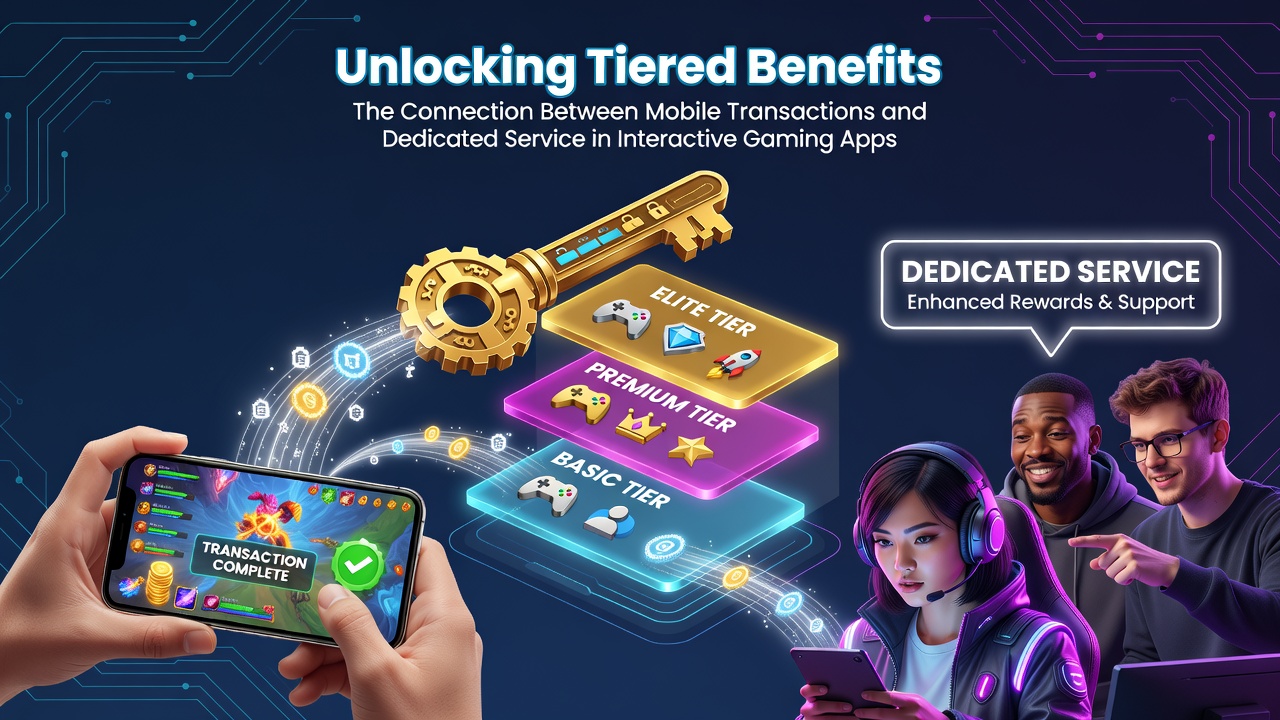
Interactive gaming apps have expanded rapidly in recent years, and mobile transactions now serve as the primary mechanism that connects user spending to tiered benefit structures while dedicated service teams manage access to those layers. Data from industry tracking firms shows that in-app purchase volumes in mobile games reached new records during the first half of 2026, with payment systems directly feeding loyalty algorithms that determine user progression through multiple reward levels.
How Transaction Systems Feed Tier Progression
Most gaming apps operate on a freemium model where players advance through tiers by completing in-app purchases or meeting spending thresholds tracked in real time. These systems record every transaction, from small coin packs to larger bundles, and feed the data into backend servers that calculate eligibility for higher status. Researchers at several universities have documented how seamless payment integration reduces friction, allowing users to unlock new features faster than older methods that required manual verification steps.
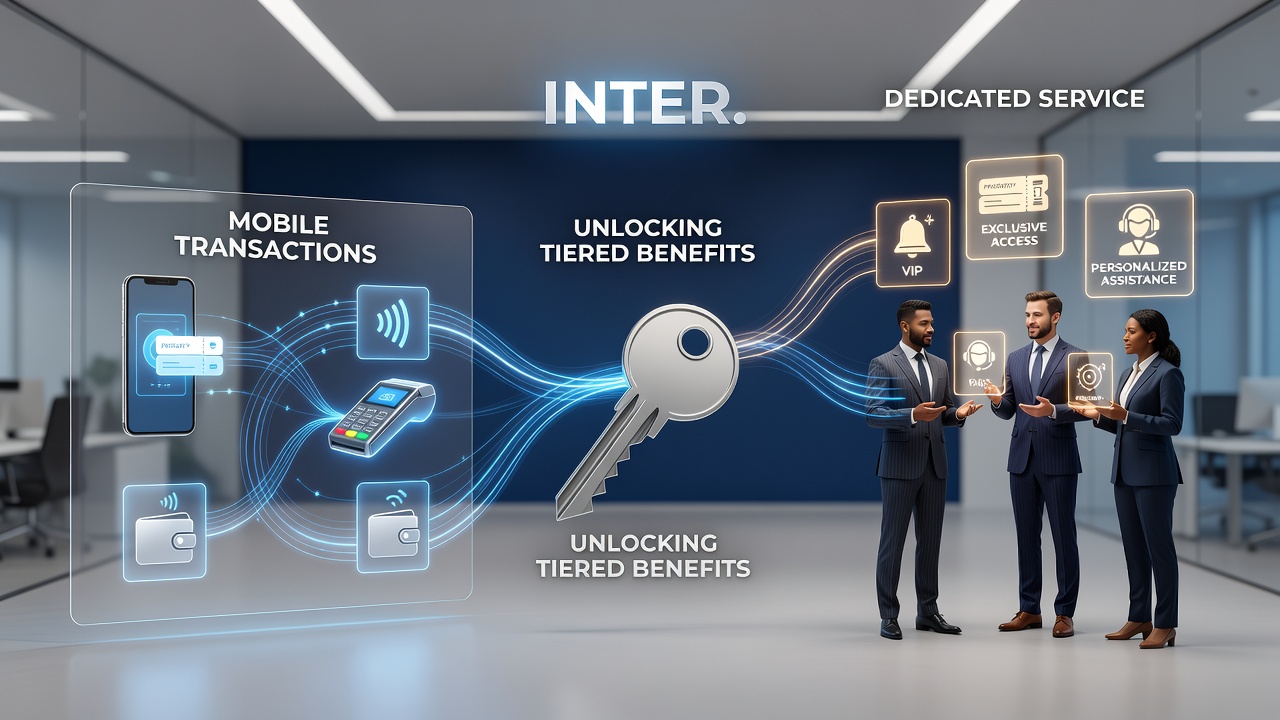
Payment processors such as those certified under regional financial regulations handle the flow, and dedicated service representatives monitor high-value accounts to resolve issues before they affect tier status. In August 2026 several major platforms reported updates to their transaction dashboards that now display projected tier advancement timelines based on recent activity, giving players clearer visibility into how continued spending translates into exclusive rewards.
Role of Dedicated Support in Maintaining Tier Access
Dedicated service teams in gaming apps typically operate through in-app chat, email, and priority phone lines reserved for users who have reached mid-to-upper tiers. These representatives handle disputes over failed transactions, clarify reward eligibility rules, and expedite the restoration of benefits when technical glitches occur. Observers note that response times for tiered users average significantly shorter than those for standard accounts, because platforms allocate additional staff resources to protect revenue streams tied to loyalty programs.
Studies conducted by independent research groups indicate that retention rates climb when support interactions resolve payment-related tier questions within the first contact. One analysis of European app markets found that platforms offering 24-hour dedicated lines for top-tier players saw measurable increases in repeat transaction frequency compared with apps that routed all users through the same queue. The pattern holds across multiple genres, from strategy titles to simulation games, because players who feel their status receives prompt attention tend to maintain consistent spending habits.
Regional Regulatory Influences on Mobile Payment Integration
Regulatory frameworks shape how gaming apps link transactions to tiered benefits. In Australia the Office of the eSafety Commissioner has issued guidance on transparent disclosure of in-app purchase mechanics, requiring platforms to explain how spending affects reward tiers. Canadian provincial authorities have similarly examined consumer protection measures around digital wallets used inside games, focusing on clear communication of tier requirements. These rules encourage developers to build more visible transaction histories so players understand exactly what qualifies them for elevated status.
Industry associations such as the Entertainment Software Association have compiled reports showing that clearer payment-to-tier mapping correlates with fewer complaints filed with consumer protection agencies. When dedicated service teams receive regulatory-compliant training on these disclosures, they can guide users through tier calculations without creating additional friction during support interactions.
Technical Infrastructure Supporting Real-Time Tier Updates
Behind the scenes, cloud-based ledgers sync mobile transaction data with tier management engines that recalculate user status multiple times per hour. This architecture allows instant reflection of new purchases on reward dashboards, a feature that became standard across leading platforms by mid-2026. Security protocols, including tokenization and multi-factor authentication, protect these flows while dedicated service personnel receive limited administrative access to verify and correct tier assignments when discrepancies arise.
Developers continue to refine notification systems that alert players when a transaction pushes them across a tier threshold, often including direct links to dedicated support channels for any follow-up questions. Such integration reduces the volume of support tickets while increasing the perceived value of higher tiers.
Conclusion
Mobile transactions and dedicated service now function as interconnected components within interactive gaming apps, where payment activity directly determines tier access and specialized support preserves the integrity of those tiers. As platforms refine their systems through 2026 and beyond, the linkage between seamless payments, transparent tier rules, and responsive assistance remains central to how users experience progression and rewards in mobile gaming environments.