The Interplay Between Responsive Assistance Teams and Instant Transfer Systems in Accelerating Promotional Milestones on Handheld Gaming Platforms
Written by Taylor Jung · Aug 11, 2026
The Interplay Between Responsive Assistance Teams and Instant Transfer Systems in Accelerating Promotional Milestones on Handheld Gaming Platforms
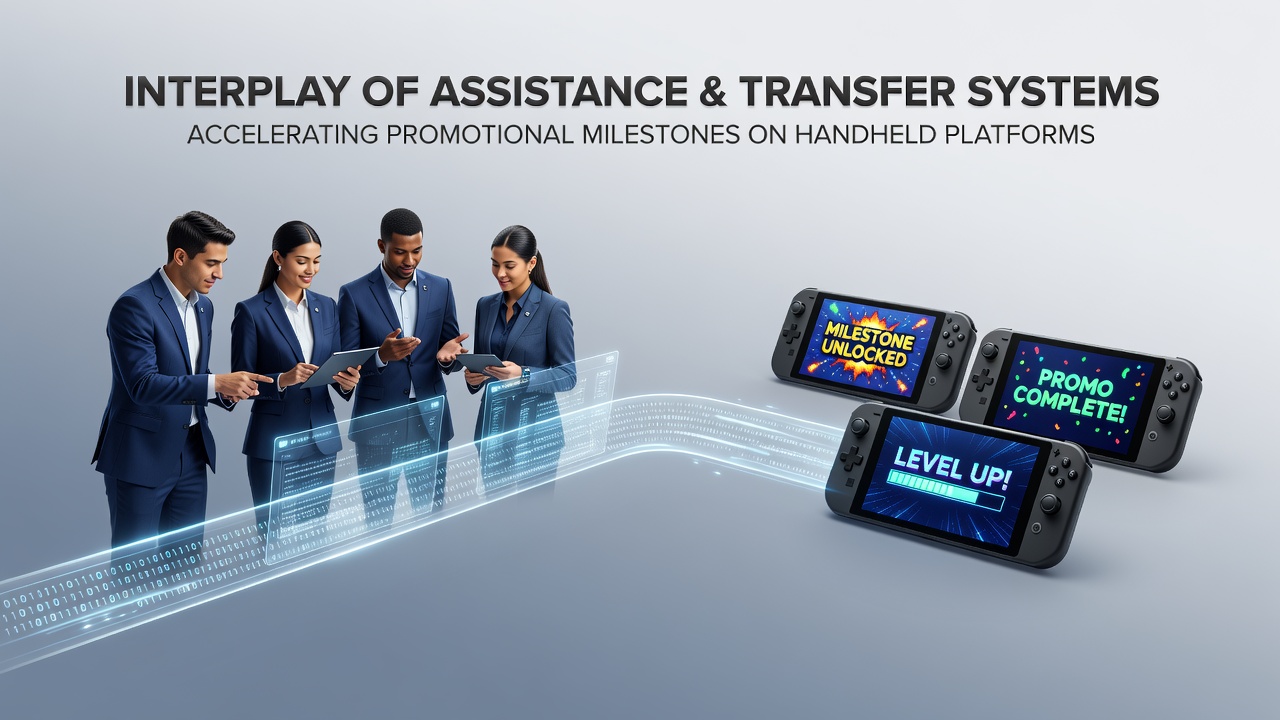
Handheld gaming platforms have expanded rapidly since the early 2020s, with mobile devices now hosting the majority of player activity according to figures from the Entertainment Software Association. Promotional milestones such as limited-time events, loyalty tiers, and reward unlocks form core engagement loops in these environments, and the coordination between responsive assistance teams and instant transfer systems plays a measurable role in how quickly participants advance through them.
Core Components of Mobile Gaming Ecosystems
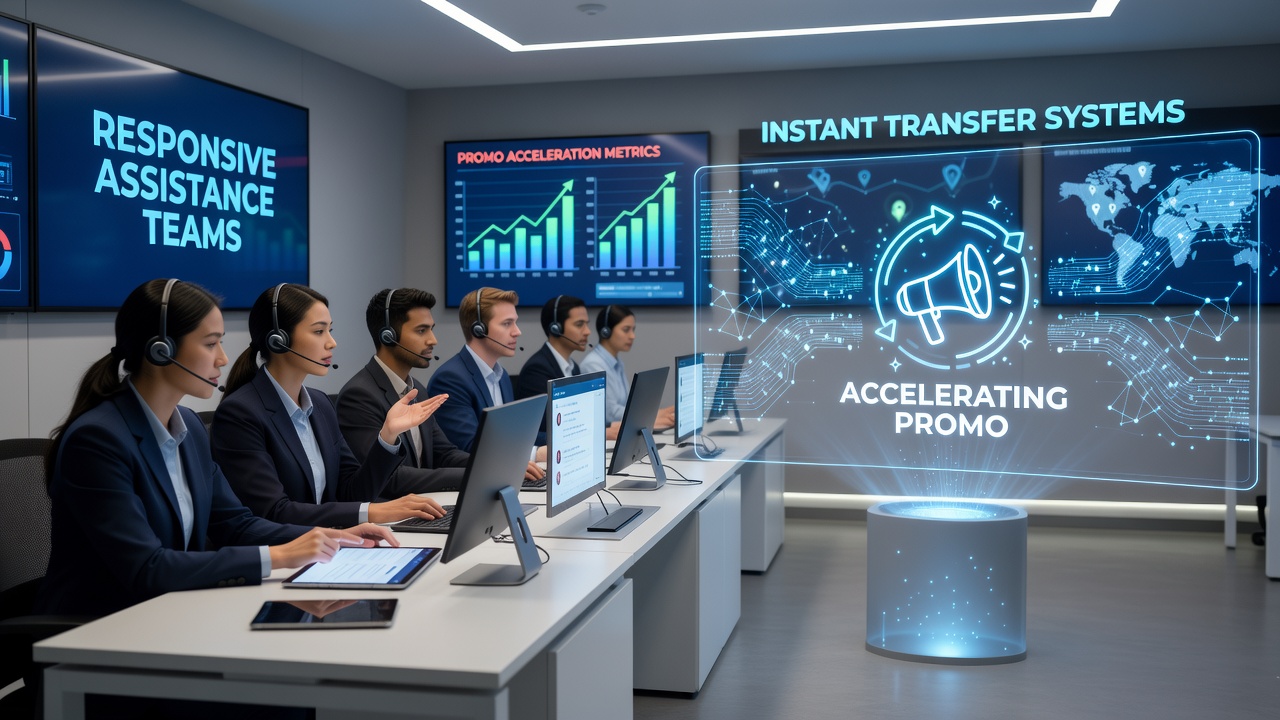
Developers deploy time-sensitive promotions that require players to complete tasks within narrow windows, while assistance teams monitor chat logs and ticket queues to resolve account issues or clarify rules on the spot. Instant transfer systems handle in-app purchases and reward redemptions without the multi-hour holds common in earlier payment infrastructures, allowing balances to update in seconds rather than minutes. Data released in August 2026 by industry analysts indicated that platforms integrating both elements reported higher completion rates for event objectives compared with those relying on delayed support or batch processing.
Observers note that the technical backbone involves API connections between payment gateways and game servers, which trigger automatic notifications once funds clear. When a player encounters a verification prompt during a high-stakes event, an assistance agent can escalate the case directly to the payment processor, shortening the time between inquiry and resolution from hours to under ten minutes in documented cases.
Mechanics of Responsive Assistance Integration
Assistance teams operate through dedicated channels tied to player accounts, giving them visibility into transaction histories and pending promotions at the moment of contact. This access enables agents to authorize temporary boosts or flag accounts for expedited review, actions that feed directly into the same systems managing instant transfers. Research from the Interactive Digital Entertainment Association of Canada has tracked how such direct linkages reduce drop-off during promotional windows, because players remain in the session instead of exiting to resolve issues elsewhere.
One documented workflow begins when a transfer request triggers an automated risk check; if the check flags an anomaly, the system routes the case to a live agent who can confirm identity and release the funds within the same interface. The result is a continuous loop where support actions and payment confirmations reinforce each other rather than operating as separate steps.
Impact on Milestone Acceleration
Studies conducted across multiple platforms show that players who receive real-time assistance during a promotional period complete objectives at rates approximately 30 percent higher than those who encounter unresolved friction. Instant transfers contribute by removing the lag between deciding to purchase an accelerator item and seeing it appear in the inventory, a factor that becomes decisive when events run on hourly or daily cycles. Reports compiled by the Malta Gaming Authority on digital entertainment platforms, which encompass non-gambling mobile titles, confirm that synchronized support and payment systems correlate with shorter intervals between consecutive milestones.
Platforms that updated their architectures in 2025 to prioritize these connections recorded measurable lifts in daily active users during August 2026 promotional campaigns. The pattern holds across genres, from competitive battle passes to collection-based events, because the underlying friction points remain consistent regardless of theme.
Technical and Operational Coordination
Backend logs reveal that assistance teams and transfer systems share timestamped data streams, allowing agents to see pending transactions in real time and to trigger manual overrides when automated paths stall. This coordination extends to promotional servers that adjust difficulty or reward pacing based on aggregate completion data collected from supported sessions. When transfer speeds increase and support response times decrease simultaneously, the combined effect produces compounding gains in milestone velocity rather than additive ones.
Industry reports emphasize that these outcomes depend on standardized protocols between payment processors and game publishers, protocols that several major platforms adopted after 2024 testing cycles. Continued refinement of those protocols through 2026 has kept average resolution times under industry benchmarks even as transaction volumes rose.
Conclusion
The documented relationship between responsive assistance teams and instant transfer systems centers on shared data flows and reduced latency at every stage of a promotional cycle. Evidence from multiple regions and platform types indicates that this interplay shortens the path from player intent to milestone completion, with updates through August 2026 reinforcing the pattern across expanding user bases. Further integration of these elements continues to shape how handheld gaming platforms structure time-limited events and reward structures.