The Convergence of Handheld Access Points and Elevated Status Mechanisms That Streamline Transaction Flows During Dealer-Led Sessions
Written by Ulrich Wagner · May 19, 2026
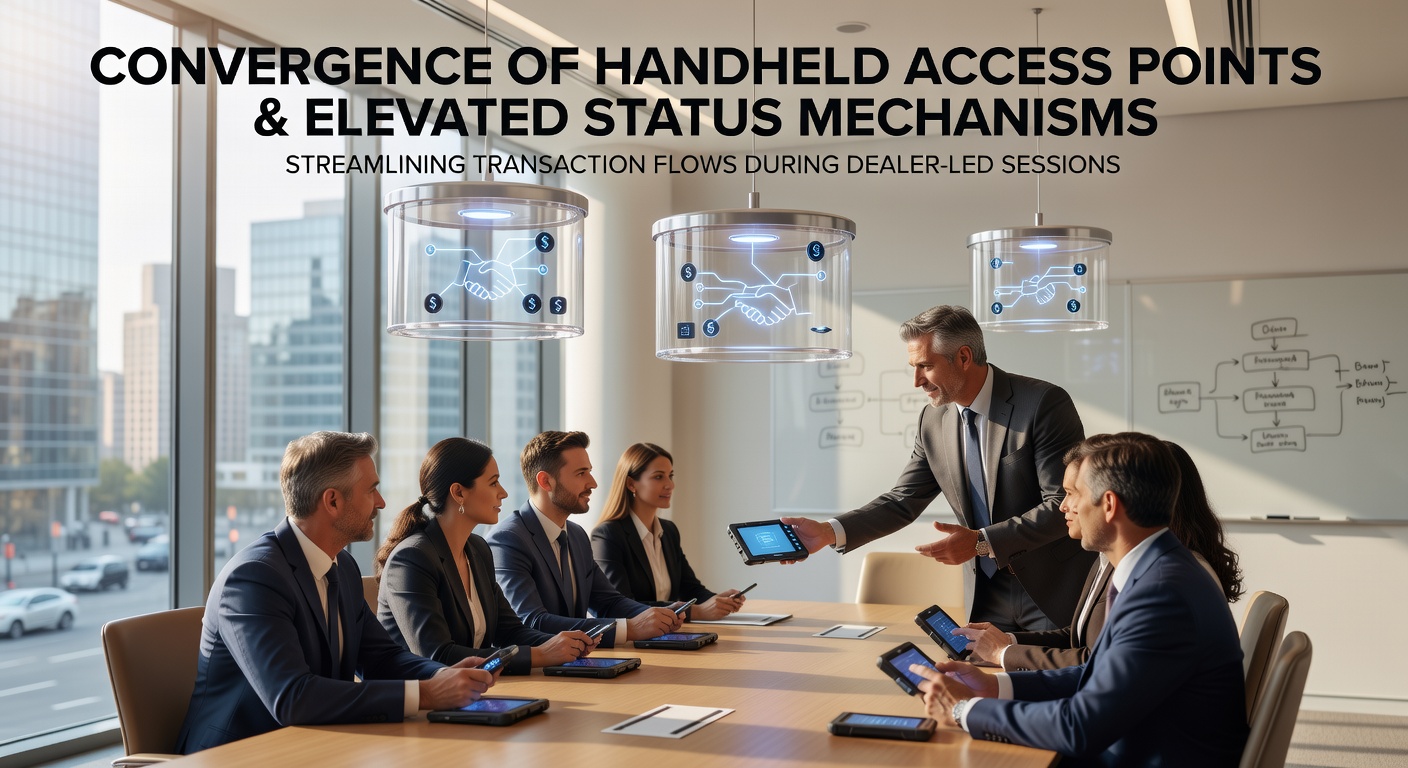
The Convergence of Handheld Access Points and Elevated Status Mechanisms That Streamline Transaction Flows During Dealer-Led Sessions
Live dealer sessions have incorporated handheld access points that allow staff to process wagers, confirm outcomes, and execute payouts directly at the table while elevated status mechanisms assign priority tiers to players based on activity levels and verified profiles. These systems operate together so that transaction sequences move through secure wireless networks with reduced manual verification steps, and data from multiple gaming floors shows shorter average processing times when both components function in tandem.
Handheld Access Points in Dealer-Led Environments
Dealers now carry compact terminals that connect to central servers through encrypted channels, enabling them to scan player cards, record bets, and trigger fund movements without leaving the table area. In May 2026 several properties reported deployment of updated models that support multi-currency handling and instant receipt generation, which aligns with requirements set by state regulatory bodies such as the Nevada Gaming Control Board. Staff training programs emphasize quick interface navigation so that sessions maintain continuous pace even during peak hours when multiple tables run simultaneously.
Technicians calibrate these devices to recognize status indicators embedded in player accounts, and this recognition allows automatic routing of certain requests to faster settlement queues. Observers note that error rates drop when handheld units receive real-time status updates from backend databases rather than relying on separate lookup procedures.
Elevated Status Mechanisms and Their Role
Elevated status frameworks track cumulative play metrics across live tables and assign progressive tiers that unlock expedited transaction pathways. Players who reach higher tiers receive digital flags visible on dealer terminals, and these flags prompt the system to bypass standard confirmation layers for deposits or withdrawals initiated during active sessions. Industry reports indicate that such tiered structures have expanded in recent years as operators integrate loyalty data with live-game platforms.
Integration Points Between Devices and Status Systems
When a handheld access point detects an elevated status flag, it initiates a streamlined protocol that combines player verification with transaction authorization in one step. This convergence reduces the number of separate approvals required, and network logs from participating venues show consistent decreases in average transaction duration across dealer-led formats. Software updates released in early 2026 further aligned these protocols with emerging standards for secure data exchange between portable terminals and central management servers.

Regulatory frameworks in multiple jurisdictions now require audit trails that capture both device interactions and status-based routing decisions, and compliance teams use aggregated reports to verify that priority processing remains consistent with approved house rules. One study conducted through university-affiliated gaming research centers examined transaction data across several sites and found measurable improvements in flow efficiency when status signals and handheld commands operate within the same encrypted session.
Operational Patterns Observed in 2026
By May 2026 operators had begun rolling out firmware patches that allow handheld units to adjust processing speeds dynamically according to a player's current status tier and table activity volume. These adjustments occur automatically through predefined algorithms that balance speed with security checks, and floor supervisors receive dashboard alerts when thresholds for manual review are approached. Data shared at industry conferences highlighted that venues adopting unified status and device protocols experienced fewer interruptions during high-volume periods.
Technicians perform routine synchronization between handheld units and status databases at shift changes, and this practice keeps player profiles current so that any status upgrades earned mid-session activate without delay. External audits conducted under guidelines from bodies like the New Jersey Division of Gaming Enforcement confirm that such synchronization maintains transaction integrity across extended operating hours.
Transaction Flow Examples from Multiple Venues
Consider a dealer who registers a wager from a high-tier player: the handheld unit reads the embedded status code, applies the expedited protocol, and completes the record transfer to the central system within seconds. In contrast, standard accounts follow additional verification steps before the same record finalizes, and comparative logs demonstrate clear divergence in completion times between the two paths. Similar patterns appear in payout sequences where status mechanisms trigger immediate fund release once the dealer confirms the outcome on the device.
Regional variations exist, yet the underlying convergence principle remains consistent across markets that permit live dealer operations. Reports from Canadian provincial regulators and Australian gaming research groups both reference comparable integration strategies that link portable terminals with loyalty frameworks to maintain smooth session continuity.
Conclusion
The combination of handheld access points and elevated status mechanisms continues to shape transaction handling in dealer-led sessions through coordinated data exchange and tiered processing rules. As operators refine these integrations in 2026, documented efficiency gains and regulatory compliance records provide measurable indicators of how the systems function together. Ongoing developments focus on maintaining secure, auditable flows while accommodating expanding player volumes across live gaming environments.