Syncing Digital Wallets With Interactive Card Play on Smartphone Platforms Through Dedicated Response Teams
Written by Taylor Jung · May 26, 2026
Syncing Digital Wallets With Interactive Card Play on Smartphone Platforms Through Dedicated Response Teams
Smartphone platforms that host interactive card play have expanded wallet synchronization features in recent years, and dedicated response teams now manage the process from transaction initiation through verification and settlement. These teams coordinate between payment processors, game servers, and user devices to maintain continuous access during live sessions. Data from industry reports shows that mobile card platforms processed over 40 percent of their total transactions through integrated digital wallets by early 2026, with response teams handling an average of 12,000 support interactions per week across major operators.
Core Components of Wallet and Card Play Integration
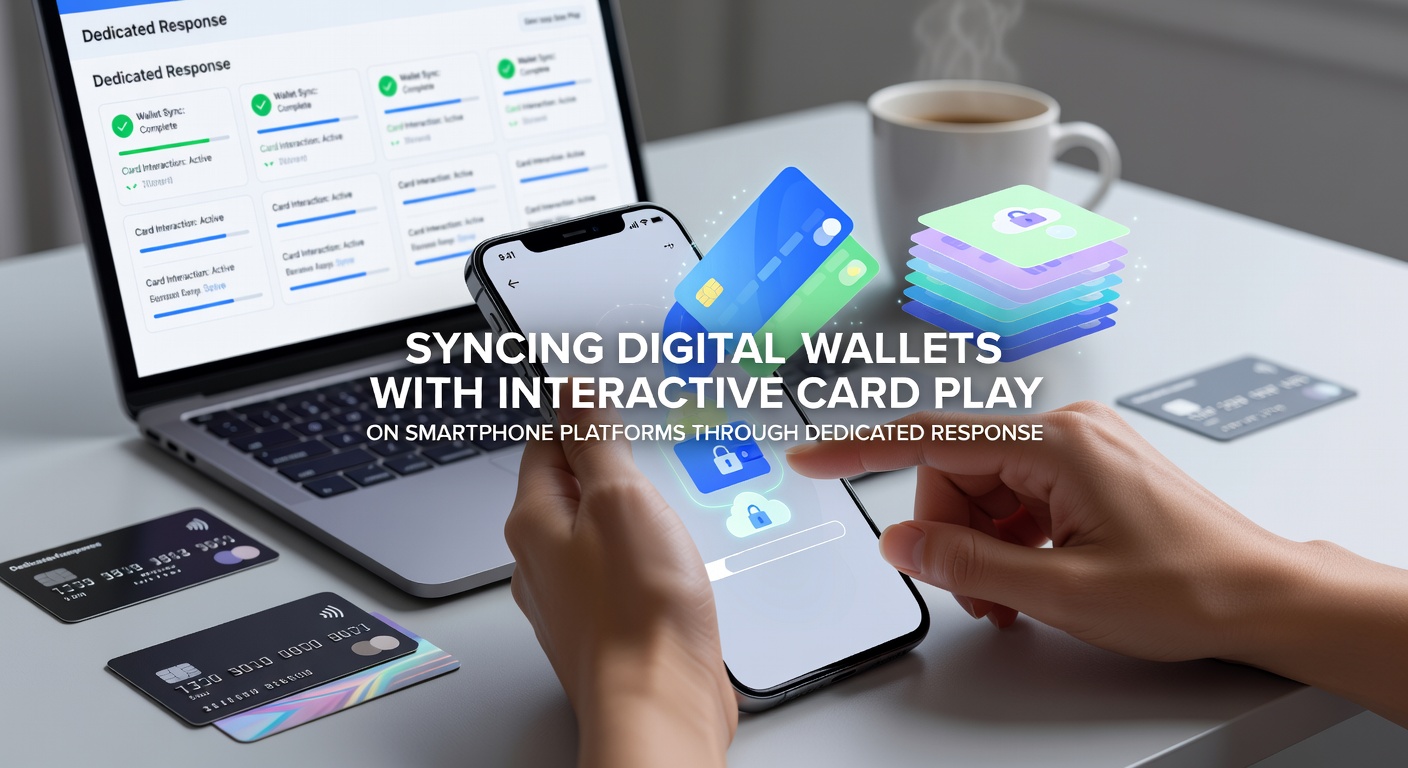
Digital wallet synchronization requires multiple layers of API connections that link user accounts to game engines while preserving session continuity. Response teams monitor these connections in real time, stepping in when latency spikes or when authentication protocols trigger secondary checks. The process begins when a player selects a wallet option inside the card game interface, after which the dedicated team confirms fund availability, applies any session-specific limits, and routes the transaction to the appropriate processor. Observers note that this coordinated approach reduces drop-off rates during live dealer rounds by keeping payment flows inside the same application window rather than redirecting users to external sites.
Security protocols rely on tokenization methods that replace sensitive card data with unique identifiers generated at the moment of each transaction. Response teams receive automated alerts when token mismatches occur or when device fingerprinting flags potential anomalies, allowing them to intervene before gameplay pauses. Research from the Canadian Gaming Association indicates that platforms using dedicated teams for these interventions achieved a 27 percent faster resolution time compared with automated-only systems during the first quarter of 2026.
Role of Dedicated Response Teams in May 2026 Operations
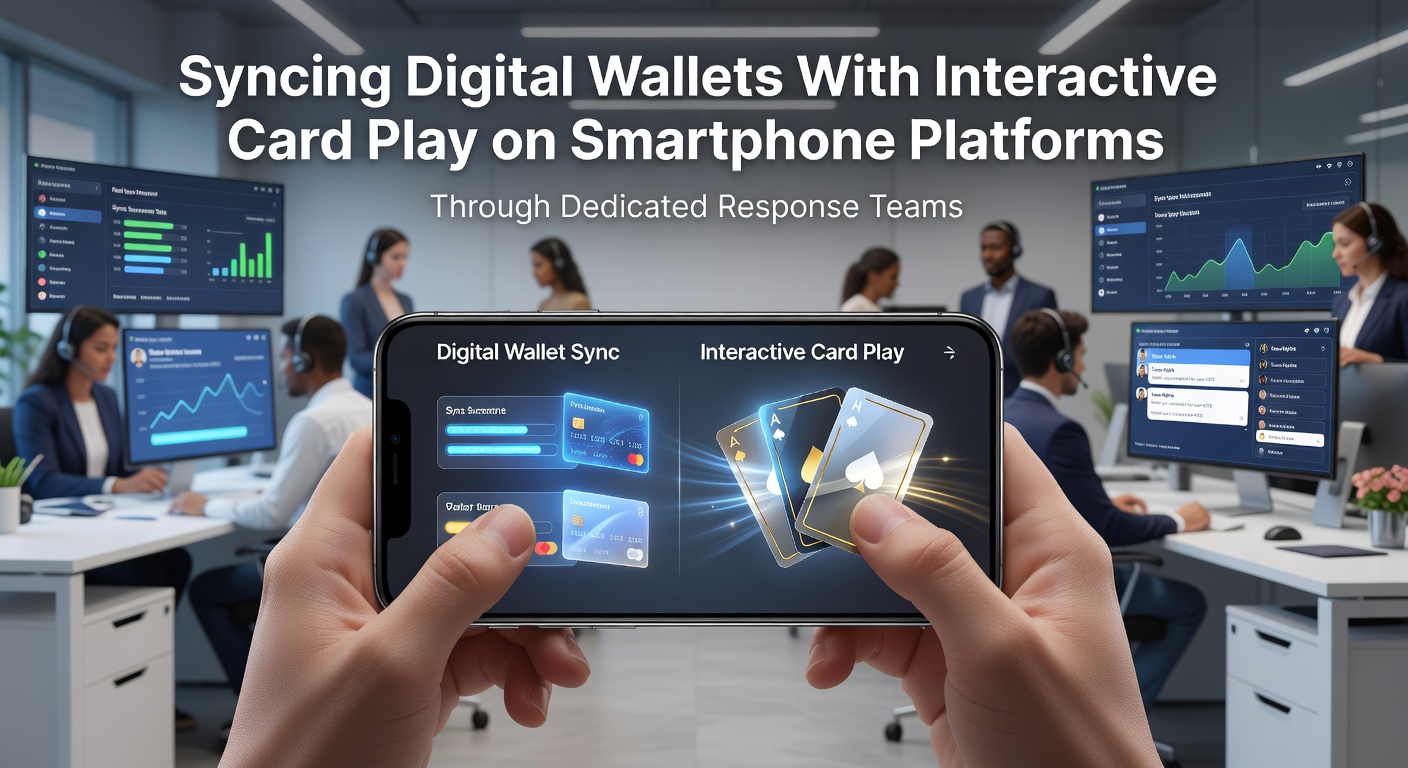
By May 2026 several major smartphone platforms had expanded their response team staffing models to cover 24-hour cycles across multiple time zones. Teams consist of payment specialists, compliance officers, and technical support agents who share a common dashboard that displays wallet status, game session metrics, and device telemetry simultaneously. When a player initiates a card game round while transferring funds, the team receives a consolidated alert that includes both the payment status and the current hand or table state. This combined view enables agents to authorize micro-adjustments without requiring the player to exit the session.
Training programs for these teams emphasize scenario-based drills that replicate peak load conditions during major tournament events. According to figures released by the Pennsylvania Gaming Control Board, operators that invested in such training recorded fewer than 0.8 percent of wallet-related session interruptions during the spring 2026 reporting period. Teams also maintain direct communication lines with payment processors, which allows them to escalate edge cases involving regional banking restrictions or temporary processor outages without player involvement.
Technical Infrastructure Supporting Real-Time Synchronization
The underlying infrastructure combines cloud-based payment gateways with edge computing nodes positioned near major mobile network exchanges. Response teams use this distributed setup to route transactions through the nearest available node, cutting average authorization times to under three seconds in most documented cases. When interactive card play involves multiple players at a shared table, the system synchronizes each wallet action to a central ledger that updates all participants in sequence, preventing timing discrepancies that could affect game fairness.
Device-level integration relies on secure enclave technology built into modern smartphone chipsets, which stores wallet credentials separately from the main operating system. Dedicated teams receive diagnostic reports from these enclaves during troubleshooting, enabling them to guide users through recovery steps that preserve both funds and game progress. Industry data compiled by the European Gaming and Betting Association shows that platforms incorporating enclave-based verification experienced a 19 percent reduction in fraud-related disputes between January and May 2026.
Regulatory and Compliance Considerations
Regulatory frameworks in multiple jurisdictions now require documented procedures for wallet synchronization during live card sessions, and response teams serve as the primary point of contact for audit requests. Operators must demonstrate that team interventions do not alter game outcomes or provide preferential treatment to any participant. Compliance logs generated by these teams include timestamps for every authorization, reversal, or escalation, creating an auditable trail that regulators review during periodic assessments.
Cross-border play adds another layer of complexity because wallet providers operate under different licensing regimes. Response teams maintain updated reference tables that map regional restrictions to specific game features, allowing them to block or reroute transactions before they reach the card table interface. This proactive filtering helps platforms remain aligned with evolving rules without interrupting active sessions for compliant users.
Conclusion
Smartphone platforms continue to refine wallet synchronization processes for interactive card play by expanding the capabilities of dedicated response teams. These teams bridge payment systems and game engines through coordinated monitoring, rapid intervention, and detailed compliance tracking. As mobile card platforms handle increasing transaction volumes into the second half of 2026, the operational model centered on specialized response teams provides the infrastructure needed to maintain session continuity while meeting regulatory standards across regions.