Synchronizing Promotional Triggers with Real-Time Assistance Networks to Accelerate Loyalty Milestones in Handheld Interactive Formats
Written by Taylor Jung · Jun 5, 2026
Synchronizing Promotional Triggers with Real-Time Assistance Networks to Accelerate Loyalty Milestones in Handheld Interactive Formats
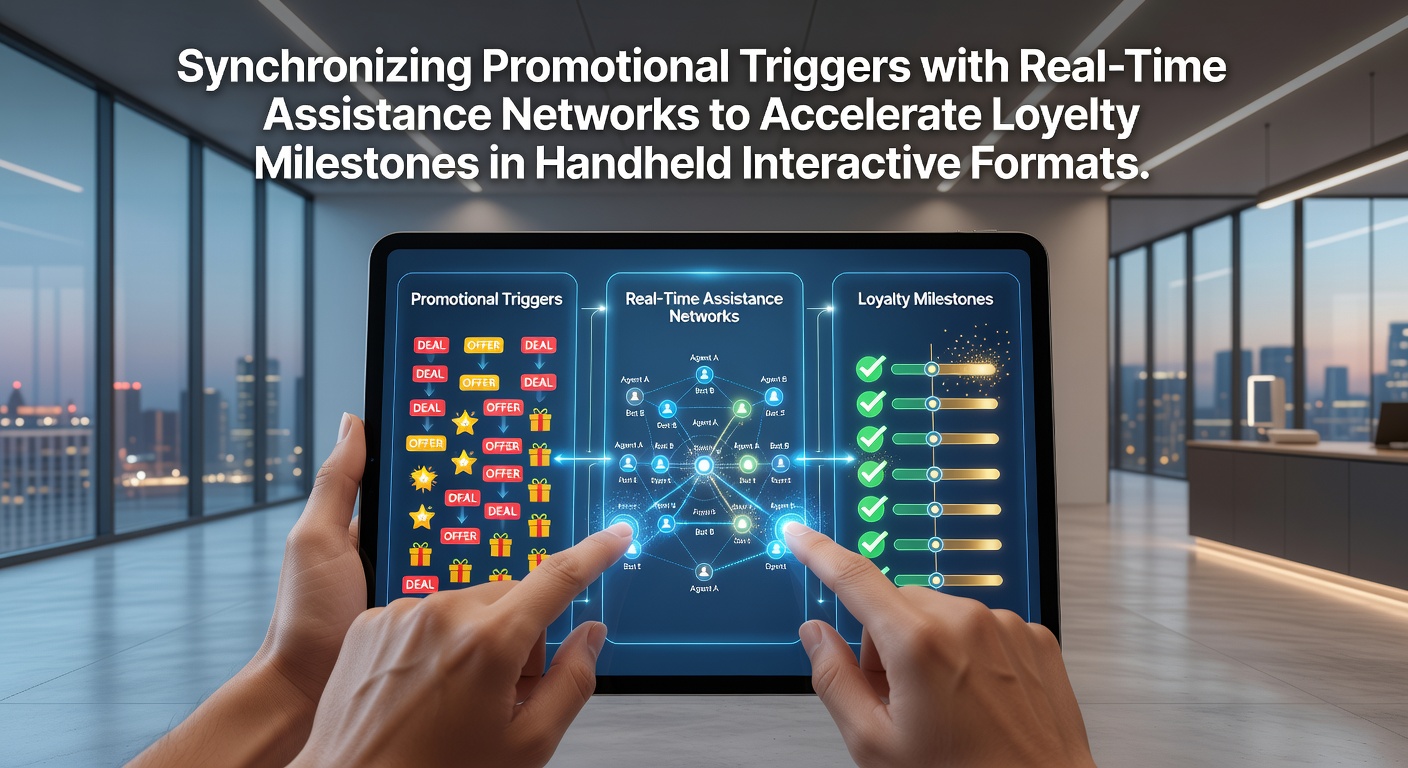
Handheld platforms in interactive gaming environments rely on coordinated systems that align promotional activations with immediate support structures, and these alignments allow participants to reach loyalty thresholds more efficiently during sessions that combine slots, tables, and live dealer streams. Observers in the sector note that operators deploy backend protocols where triggers activate based on real-time player metrics, while assistance networks respond within seconds to queries or adjustments needed for continued progress toward status upgrades.
Core Mechanisms Behind the Synchronization
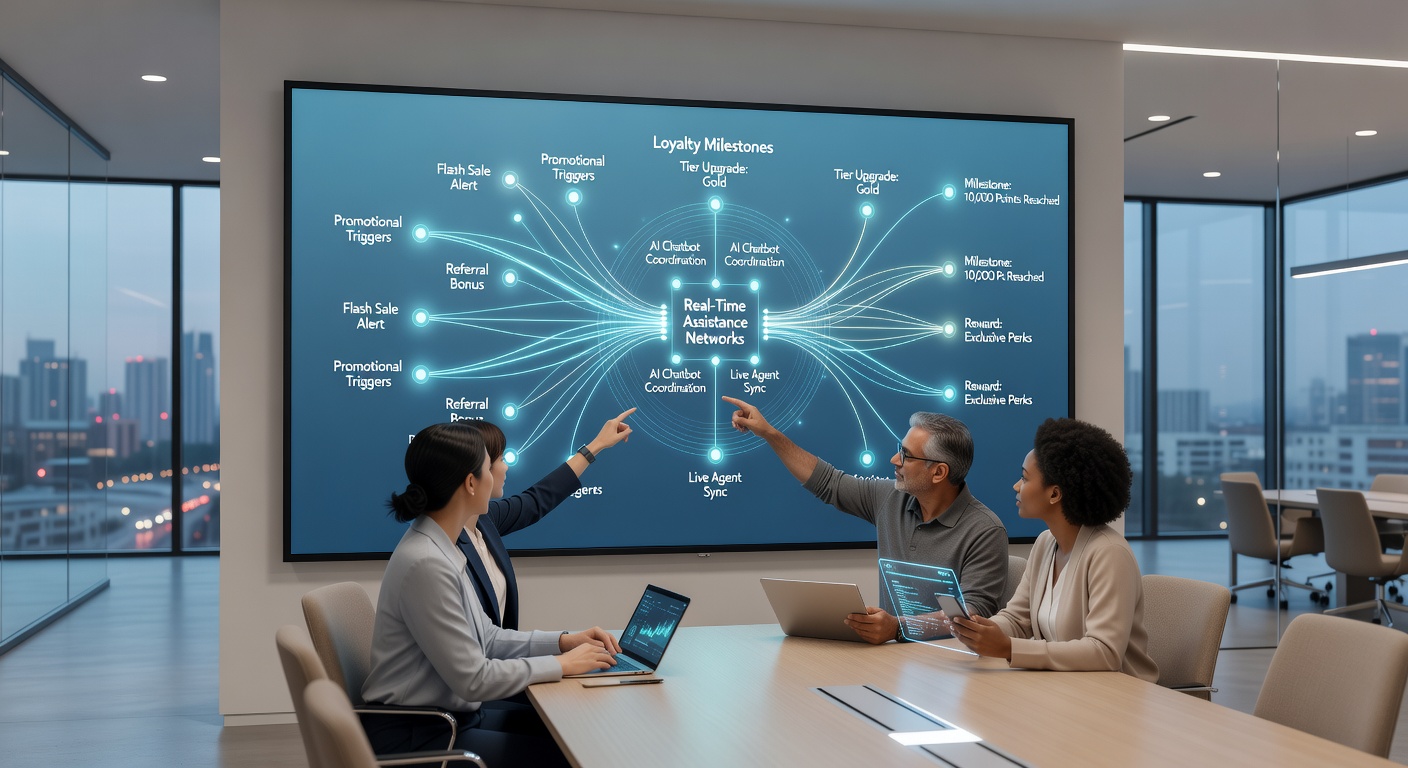
Promotional triggers operate through algorithms that monitor session data such as wager volume, game variety, and duration on mobile devices, and when predefined conditions occur the system releases targeted incentives like bonus credits or multiplier events that directly feed into loyalty tracking. Real-time assistance networks connect these triggers to dedicated response teams who monitor chat interfaces, voice options, and automated bots, ensuring that any interruption from network latency or account verification resolves without halting milestone accumulation. Data from industry reports indicates that integration of these elements reduces average time to loyalty tier advancement by measurable percentages across multiple platforms operating in regulated markets.
Those who have examined mobile architectures point out that handheld formats benefit particularly because push notifications and in-app messaging deliver the synchronized elements directly to users, whereas desktop versions often require additional steps for the same updates. Research indicates that seamless handoffs between promotional engines and support channels prevent drop-offs that commonly occur when players encounter delays in reward processing or clarification on eligibility rules.
Technical Infrastructure Supporting Live Integration
Backend servers handle simultaneous data streams from portable devices, live dealer feeds, and transaction processors, and this infrastructure routes information to loyalty databases that update in near real time. When a player engages with a table game on a smartphone, for instance, the system logs the activity, applies any active promotional overlay, and flags the session for support review if metrics approach a loyalty breakpoint. According to figures released by the American Gaming Association, mobile gaming accounted for over 60 percent of total interactive revenue in several U.S. jurisdictions by early 2026, underscoring the scale at which these synchronized networks must function.
Assistance teams utilize dashboards that display live player status alongside current promotions, allowing quick interventions such as manual overrides for stuck triggers or explanations of how a particular reward accelerates the next milestone. The process maintains continuity even during peak hours when thousands of sessions run concurrently across different time zones.
Regulatory Context and Developments Through June 2026
State-level frameworks in the United States have continued to evolve, and updates issued in June 2026 by the New Jersey Division of Gaming Enforcement emphasized requirements for transparent disclosure of how promotional triggers interface with support systems in mobile applications. These guidelines require operators to maintain audit logs that demonstrate synchronization does not create unfair advantages or obscure terms related to loyalty progression. Similar oversight appears in other regions, where authorities examine data flows between promotional engines and customer assistance channels to confirm compliance with responsible gaming standards.
Observers note that platforms incorporating dedicated response teams for handheld users have adapted more readily to these rules because the networks already generate detailed interaction records. Figures reveal that jurisdictions with clearer synchronization standards experienced faster rollout of enhanced mobile loyalty features during the first half of 2026 compared with areas still developing guidance.
Impact on Player Progression and Platform Metrics
Operators track key performance indicators that include time between loyalty tier upgrades, frequency of promotional redemptions, and resolution speed for support tickets tied to mobile sessions. When triggers and assistance networks align effectively, these indicators show consistent improvement, and analysts attribute the gains to reduced friction in reward delivery. One documented implementation involved a platform that linked instant transfer confirmations directly to loyalty point postings, resulting in faster tier ascents for users who combined live dealer play with slot rotations on their devices.
Support interactions during these sessions often involve clarifying how a specific promotion contributes to the next milestone, and real-time networks handle such exchanges without requiring players to exit the game interface. This continuity supports sustained engagement across extended handheld sessions that mix multiple game types.
Conclusion
The synchronization of promotional triggers with real-time assistance networks continues to shape how loyalty milestones advance within handheld interactive formats, and ongoing refinements in data routing and support protocols support these outcomes across regulated markets. As mobile participation grows, the technical and operational coordination described here remains central to platform performance and compliance requirements observed through mid-2026.