Mapping the Pathways from Pocket-Sized Reel Spins to Premium Status Upgrades Using Instant Transfer Systems and Dedicated Assistance Networks
Written by Clara Lange · May 31, 2026
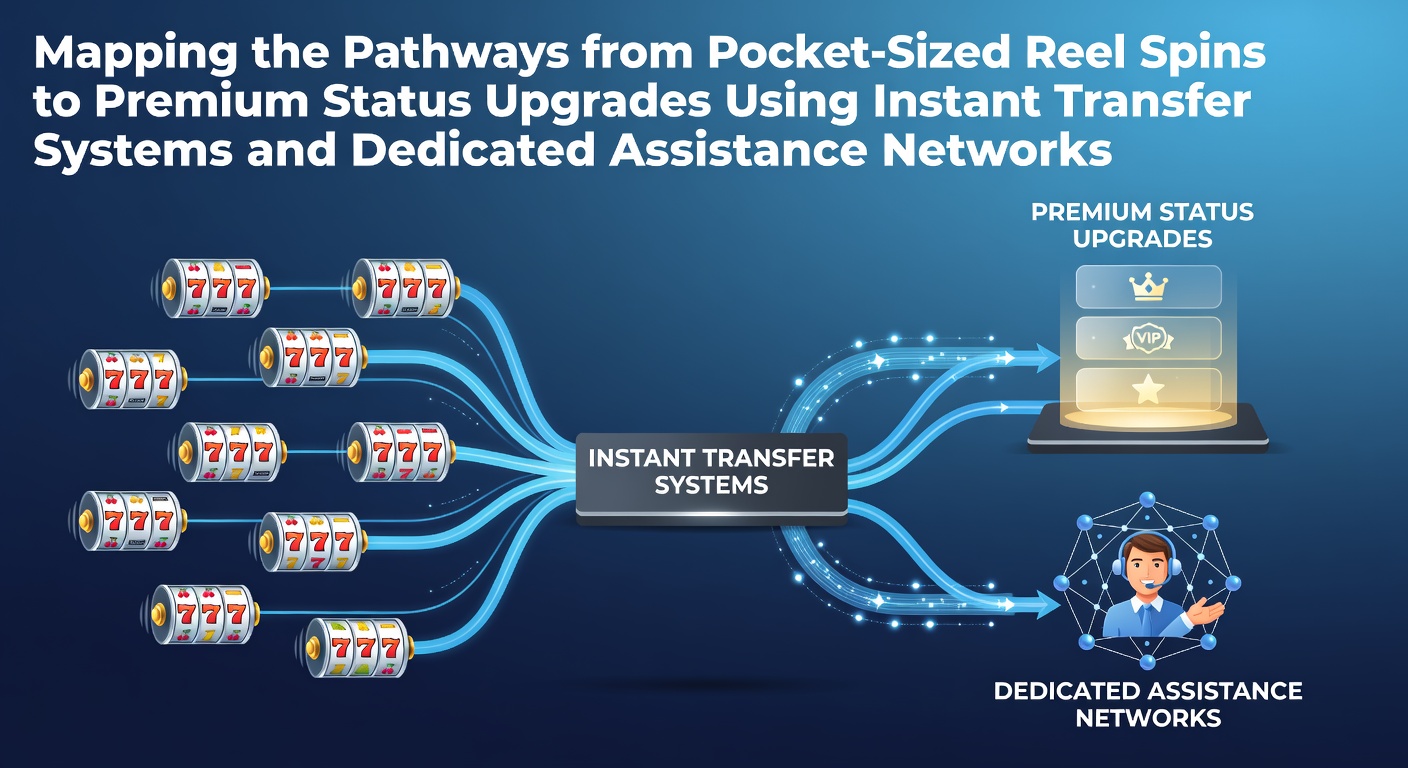
Mapping the Pathways from Pocket-Sized Reel Spins to Premium Status Upgrades Using Instant Transfer Systems and Dedicated Assistance Networks
Players access reel spins through compact mobile interfaces that record every rotation and feed directly into centralized loyalty databases, creating traceable activity streams that platforms convert into status points without manual intervention. These systems operate across smartphone networks where data packets from each spin transmit in real time to backend servers that calculate progress toward tier thresholds, and operators have documented how this continuous tracking replaces older batch-processing methods that delayed reward recognition by days or weeks.
Instant Transfer Systems as the Core Connector
Payment rails integrated into gaming applications enable immediate movement of funds between player accounts and platform ledgers, while the same rails handle the reverse flow when players redeem accumulated points for tier upgrades or bonus credits. Data from industry reports shows transaction completion times averaging under ten seconds on major platforms during 2026, a shift driven by API connections between wallet providers and casino management software. Observers note that these transfers carry metadata tags that link each transaction to specific game sessions, allowing algorithms to verify eligibility for status advancement without separate verification steps.
Role of Dedicated Assistance Networks
Support teams staffed around the clock monitor player activity flags generated by the same systems that process spins and transfers, stepping in when automated pathways encounter edge cases such as high-volume sessions or multi-device logins. These networks route queries through dedicated channels that bypass general customer service queues, delivering responses that include personalized status summaries and direct links to upgrade confirmation pages. Research from gaming technology firms indicates response intervals for VIP-track players have shortened to under four minutes on average as of May 2026, reflecting investments in AI-assisted triage paired with human oversight.
Step-by-Step Mapping of the Progression Pathway
The sequence begins when a player initiates a reel spin on a mobile device, an action that immediately increments a session counter stored in the loyalty engine. Subsequent spins accumulate points at rates determined by wager size and game category, with the engine cross-referencing these totals against published tier tables. Once thresholds approach, the system triggers an instant transfer request for any pending balance adjustments, then routes the updated profile to an assistance agent who verifies the data and issues the upgrade notification through the same mobile interface. This closed loop eliminates paper forms and email confirmations that characterized earlier programs, replacing them with push alerts and in-app status badges.
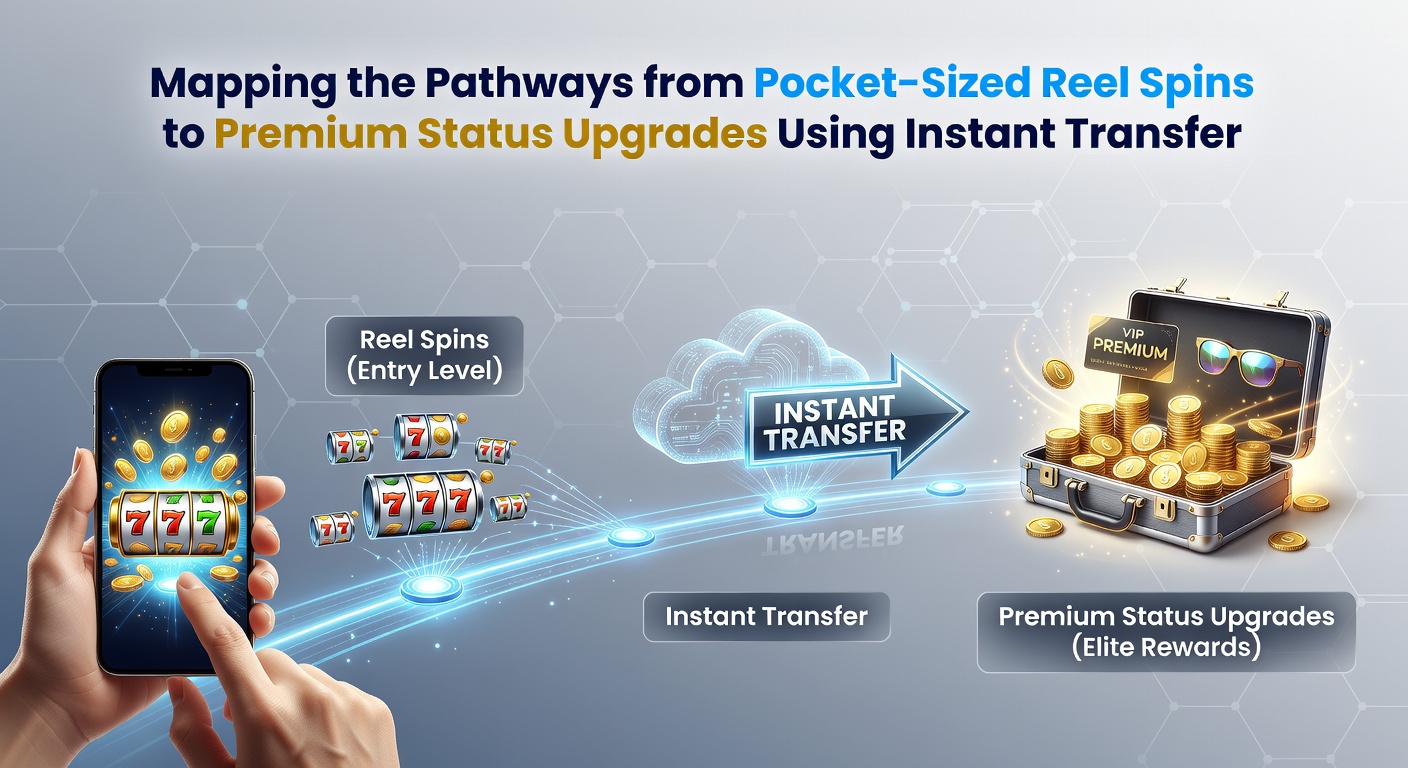
Integration Across Platforms and Regions
Operators in multiple jurisdictions have synchronized their mobile applications with regional payment processors, ensuring that transfer speeds remain consistent whether a session originates in North America or Asia-Pacific markets. Figures released by the American Gaming Association reveal that mobile-initiated play accounted for 68 percent of tracked loyalty point accrual in the first quarter of 2026, underscoring the shift away from desktop-only tracking. Meanwhile, regulatory filings from the Australian Communications and Media Authority document similar adoption curves, where instant transfer adoption correlated with a 22 percent rise in reported tier upgrades during the same period.
Those who have examined these systems describe how assistance agents receive real-time dashboards that display both the player’s current point total and the precise transfer records needed to confirm eligibility. This visibility reduces disputes and accelerates the final upgrade step, particularly when players switch devices mid-session or when promotional multipliers apply to specific game types.
Technical Infrastructure Supporting the Flow
Cloud-based loyalty engines handle the computational load of millions of concurrent spin events, applying rule sets that adjust point multipliers based on game volatility and player history without interrupting the transfer process. Security protocols encrypt both the spin data and the associated financial movements, satisfying compliance requirements from bodies such as the Nevada Gaming Control Board while maintaining sub-second latency for status updates. Industry analyses from the European Gaming and Betting Association highlight that platforms adopting these integrated stacks report fewer reconciliation errors compared with legacy systems that separated game logging from payment processing.
Conclusion
The pathways connecting pocket-sized reel activity to premium tier elevation rely on synchronized data flows, rapid fund movements, and targeted human support that together form a continuous pipeline rather than discrete stages. As operators refine these connections through 2026, the measurable outcome appears in higher upgrade volumes and shorter intervals between initial spins and status notifications. External references such as reports from the Canadian Gaming Association provide additional context on how these mechanisms scale across different regulatory environments while preserving the core sequence of spin, transfer, verification, and upgrade.