Exploring Intersections Between Dedicated Response Services and Loyalty Accelerators in Handheld Gaming Ecosystems
Written by Ulrich Wagner · Jul 21, 2026
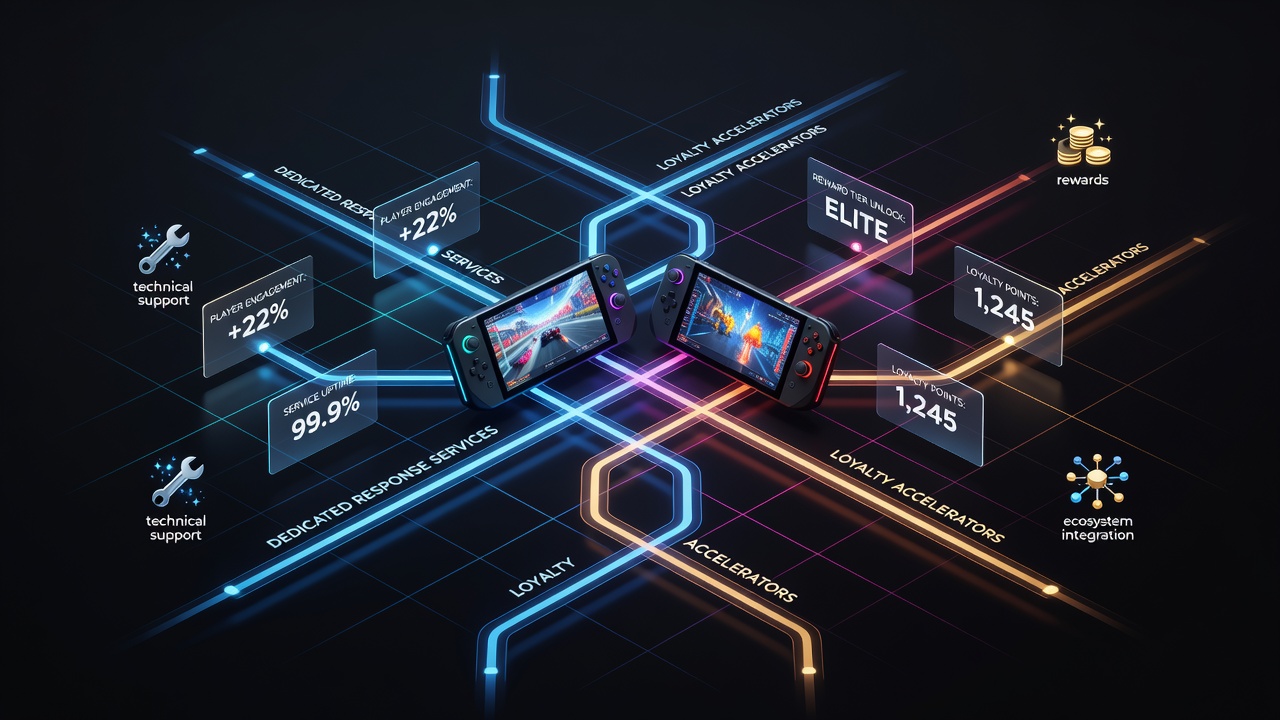
Exploring Intersections Between Dedicated Response Services and Loyalty Accelerators in Handheld Gaming Ecosystems
Handheld gaming ecosystems have expanded rapidly since the widespread adoption of smartphones and tablets, creating environments where dedicated response services interact directly with loyalty accelerators to shape user progression and retention patterns. These intersections emerge when support teams coordinate with reward mechanisms that track player activity across portable devices, allowing seamless adjustments to account status during active sessions. Data from industry reports indicate that mobile gaming revenues reached substantial figures in recent years, with handheld formats accounting for over half of global game spending according to the Entertainment Software Association.
Core Elements of Response Services in Mobile Contexts
Dedicated response services operate through in-app chat systems, email ticketing, and real-time voice options that address player inquiries about gameplay mechanics, account issues, and technical glitches on handheld platforms. Observers note that these teams often access backend databases to verify player history, which includes metrics gathered by loyalty accelerators such as playtime streaks and achievement unlocks. When a user reports a stalled reward claim on a smartphone, support personnel can reference loyalty data to expedite resolutions, reducing friction in ecosystems where sessions occur in short bursts throughout the day.
Research indicates that integration between these services and accelerators relies on shared APIs that sync transaction logs with reward ledgers, ensuring that assistance provided during one session influences status upgrades in subsequent logins. In July 2026, several platforms reported updates to their support protocols that emphasized faster linkage with loyalty tracking tools, aligning with broader trends in portable device usage.
Loyalty Accelerators and Their Data Flows
Loyalty accelerators function as tiered systems that grant escalating benefits based on cumulative engagement, including virtual currency bonuses, exclusive content access, and personalized event invitations within handheld games. These mechanisms collect data from device sensors and gameplay logs, feeding information into algorithms that predict player value and trigger automated rewards. Experts have observed that when response services intervene, they can manually override or accelerate these processes, for instance by validating a disputed milestone that the automated system overlooked due to connectivity interruptions common in mobile environments.
Studies from the Interactive Games and Entertainment Association reveal that platforms employing tight coordination between support staff and loyalty engines see measurable improvements in session frequency, as players receive immediate feedback on reward eligibility during live assistance calls. This synchronization proves particularly relevant in regions with high mobile penetration, where users switch between devices and expect consistent status recognition across sessions.
Technical Intersections and Platform Examples
Platform architectures typically embed loyalty accelerators within the same cloud infrastructure that powers response services, enabling support agents to view real-time dashboards that display both ticket history and current reward progress. One case documented by researchers at a North American university highlighted how a major handheld title adjusted its loyalty thresholds after support data revealed patterns of player drop-off following unresolved account queries. Such adjustments demonstrate how feedback loops between the two systems refine ecosystem dynamics without requiring full redesigns.
According to figures from the Australian Interactive Games Association, handheld gaming applications that prioritize these intersections report higher average revenue per user, driven by accelerated progression paths that keep players engaged through responsive assistance. Developers implement these features using modular code that allows loyalty rules to adapt based on support intervention logs, creating adaptive environments suited to variable network conditions on mobile networks.
Regulatory and Market Influences
Market analyses show that evolving data privacy regulations in multiple jurisdictions affect how response services handle loyalty-related information, requiring explicit consent mechanisms before support teams access reward histories. In Canada, oversight bodies have issued guidelines on transparent data sharing within gaming apps, prompting platforms to document intersections more explicitly in user agreements. These requirements encourage clearer protocols that maintain player trust while facilitating the operational benefits of coordinated systems.
What's interesting is how emerging standards from international trade groups encourage standardized reporting on support-loyalty interactions, helping smaller developers integrate similar features into their handheld titles. Data indicates continued growth in this area through 2026, with July marking notable platform announcements regarding enhanced cross-service capabilities.
Conclusion
Handheld gaming ecosystems continue to demonstrate that dedicated response services and loyalty accelerators function most effectively when their data pathways remain interconnected, supporting player continuity across portable sessions. Evidence from multiple industry sources confirms that such alignments contribute to sustained engagement metrics while adapting to device-specific constraints and regulatory expectations. Future developments will likely refine these intersections further as handheld technologies advance.