Coordination Between Assistance Networks and Reward Triggers in Portable Interactive Entertainment Systems
Written by Olivia Lange · Jun 19, 2026
Coordination Between Assistance Networks and Reward Triggers in Portable Interactive Entertainment Systems
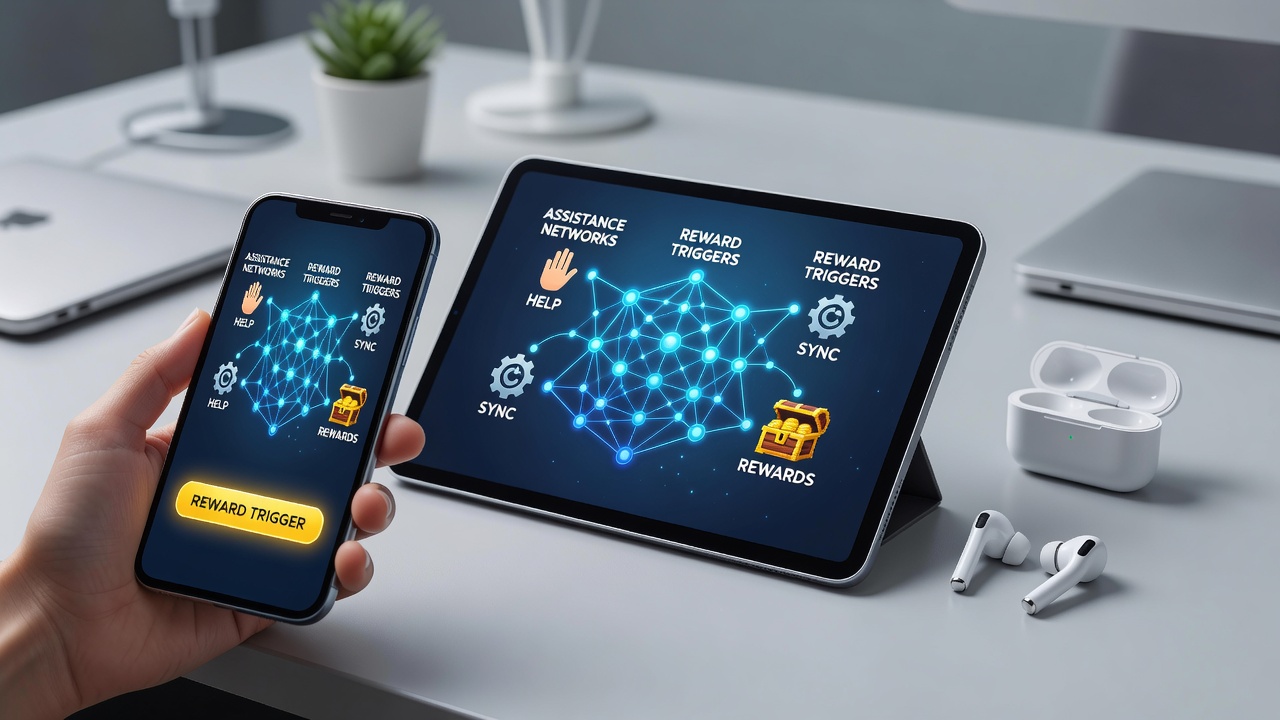
Portable interactive entertainment systems encompass mobile applications and handheld devices that deliver games, social experiences, and multimedia content to users across various platforms, and coordination between assistance networks along with reward triggers forms a core operational element in these environments. Assistance networks consist of dedicated response teams and automated support protocols while reward triggers activate loyalty points, access upgrades, and promotional incentives based on user activity patterns. Research from industry monitoring groups indicates that effective integration allows real-time adjustments during user sessions on smartphones and tablets.
Core Components of Portable Systems
Handheld devices running interactive entertainment applications rely on cloud-based servers to track engagement metrics such as session duration, completion rates, and interaction frequency. Data shows that systems developed for platforms like mobile role-playing games and augmented reality experiences process these metrics through centralized databases, and assistance networks access the same data streams to intervene when users encounter technical issues or navigation challenges. In June 2026, reports compiled by the Interactive Software Federation of Europe highlighted growth in synchronized backend architectures across European markets, where support protocols align directly with incentive distribution engines.
Assistance Network Structures
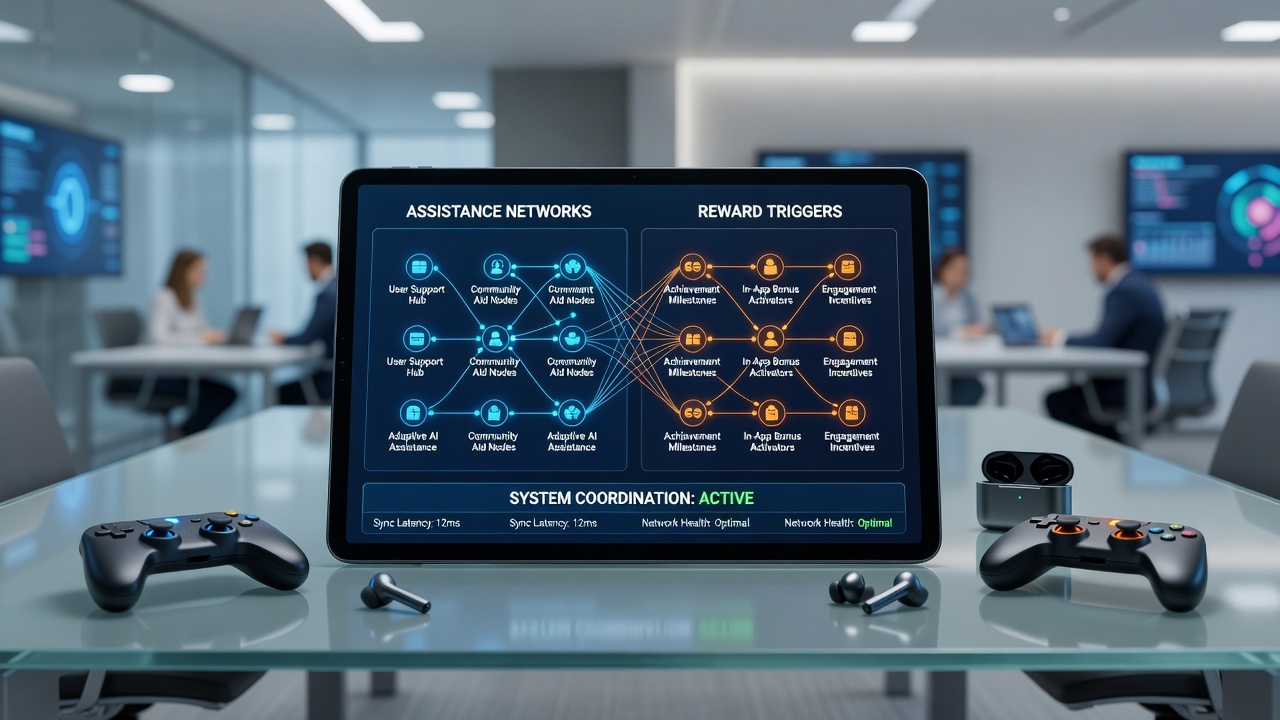
Assistance networks operate through tiered response models that combine human agents with algorithmic triage tools, and these models connect to reward systems via application programming interfaces that update user profiles instantaneously. Observers note that when a user reports a connectivity problem during an ongoing session, support staff can verify account status and trigger compensatory rewards such as bonus content or extended access periods without requiring separate verification steps. Studies conducted at academic institutions including those affiliated with the University of Melbourne have documented how such linkages reduce resolution times by integrating support logs with loyalty tracking modules.
Reward Trigger Mechanisms
Reward triggers function through predefined rulesets that monitor behavioral data and activate entitlements once thresholds are met, and these mechanisms coordinate with assistance networks to validate eligibility during support interactions. For instance, when a player reaches a milestone in a portable multiplayer title, the trigger releases virtual items or status elevations, while support teams simultaneously receive notifications to address any related queries. Figures from the Entertainment Software Association reveal that in North American deployments, coordinated triggers have expanded to cover cross-device continuity, allowing rewards earned on one handheld unit to sync across multiple portable platforms through shared account frameworks.
Integration Processes in Practice
Integration occurs through shared data pipelines that transmit event signals between support interfaces and reward engines, and developers implement these pipelines using standardized protocols to maintain consistency across regions. Those who manage large-scale deployments report that when assistance requests involve reward disputes, agents can query the trigger history directly and apply corrections that update both support records and user balances in a single operation. A 2026 analysis by Canadian digital media research bodies found that such unified processes appeared in over 60 percent of surveyed entertainment applications targeting handheld users, particularly in titles emphasizing continuous play across travel and daily routines.
Technical Synchronization Elements
Technical synchronization relies on event-driven architectures where assistance actions generate callbacks that influence reward states, and vice versa, creating feedback loops that adapt to user needs dynamically. Experts have observed that portable systems incorporate geolocation and device sensor data to refine trigger conditions, allowing support networks to anticipate issues in low-connectivity areas and pre-activate compensatory incentives. Evidence from operational reviews indicates that this approach maintains engagement levels by ensuring rewards remain accessible even when external factors disrupt standard flows.
Regional Developments and Standards
Regulatory frameworks in various jurisdictions influence how coordination standards evolve, with bodies such as the Australian Communications and Media Authority issuing guidelines on data handling practices for interactive services. These guidelines address transparency in reward activation during support exchanges, and similar approaches appear in Asian markets where portable entertainment adoption continues to accelerate. Industry associations track compliance metrics that demonstrate how integrated systems meet requirements for accurate record-keeping and timely user notifications.
Conclusion
Coordination between assistance networks and reward triggers continues to shape functionality in portable interactive entertainment systems through interconnected data flows and operational protocols, and ongoing advancements in June 2026 reflect broader adoption of unified platforms that streamline both support delivery and incentive management. The mechanisms described rely on established technical foundations that link user activity tracking with responsive service elements across global deployments.