Charting Incentive Bridges Between Automated Reel Sequences and Strategic Card Encounters Through Adaptive Funding Channels Plus Responsive Aid Networks on Compact Interfaces
Written by Olivia Long · Jun 21, 2026
Charting Incentive Bridges Between Automated Reel Sequences and Strategic Card Encounters Through Adaptive Funding Channels Plus Responsive Aid Networks on Compact Interfaces
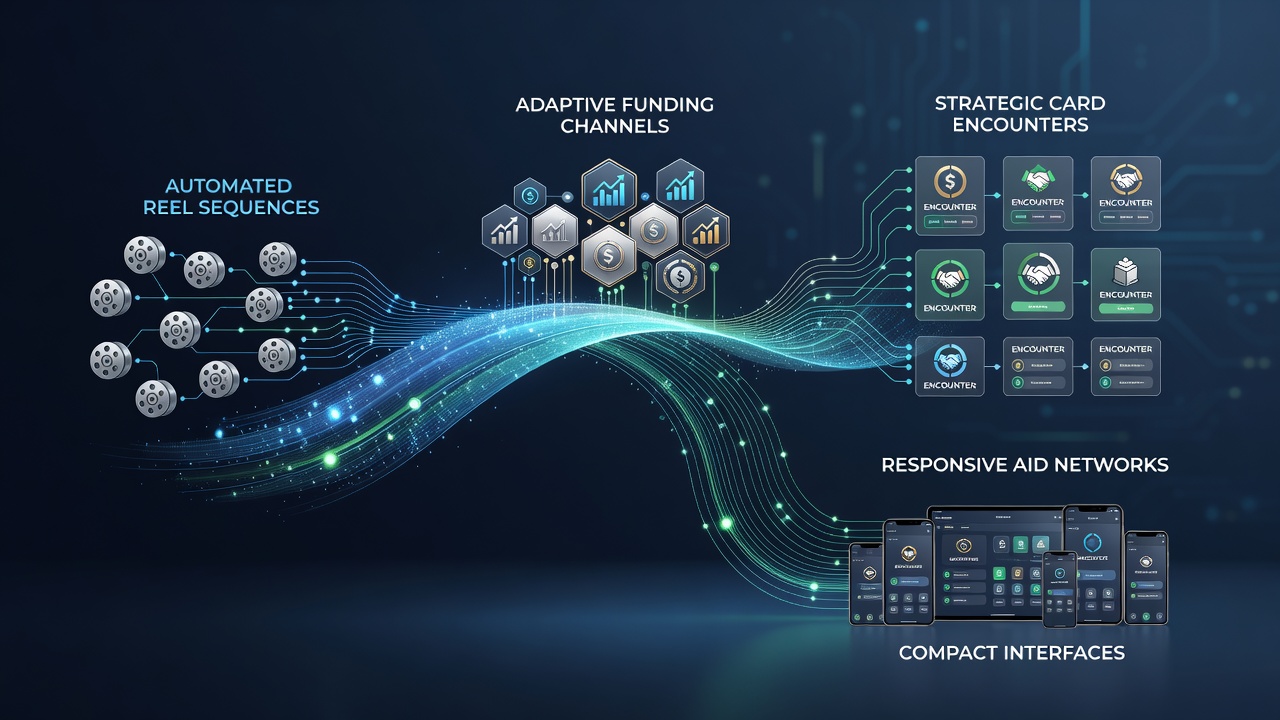
Compact mobile platforms now connect automated reel sequences directly to strategic card encounters by routing player activity through adaptive funding channels that adjust deposit limits and withdrawal speeds based on session data while responsive aid networks deliver real-time guidance via in-app chat and notification systems.
Those who track digital gaming patterns report that these connections allow seamless movement between spinning reels and table decisions without forcing users to exit one format to access another. Data from industry monitoring services shows transaction volumes on smartphones rose steadily through early 2026 with particular spikes recorded in the weeks leading up to June when several operators rolled out unified loyalty modules that credit both reel spins and card outcomes toward the same status tiers.
Adaptive Funding Channels in Practice
Funding pathways operate by linking bank transfers, digital wallets, and prepaid options into a single dashboard that updates available balances across game types within seconds of each transaction. Observers note that this setup reduces friction during transitions from reel sessions to card tables because the same deposited amount remains visible and spendable regardless of which format a user selects next. Reports from regulatory bodies in multiple jurisdictions indicate that operators who implemented these unified channels saw average session lengths extend by measurable margins compared with fragmented payment setups.
One case documented by payment analytics firms involved a platform that automatically suggested funding top-ups when reel sequences approached bonus thresholds while simultaneously flagging card table minimums that matched the user's current balance. Such features rely on algorithms that monitor play patterns without storing personal financial details beyond encrypted transaction logs.
Responsive Aid Networks Supporting Cross-Format Play
Aid networks function through dedicated response teams that monitor both automated and live elements of mobile sessions. Staff members receive alerts when a player switches from reels to cards or when funding activity triggers a loyalty milestone. According to training materials shared by several large operators these teams follow standardized scripts that explain how rewards earned on one format carry over to the other without requiring separate enrollment steps.
Research conducted by academic groups focused on human-computer interaction has examined how notification timing affects continued engagement across game categories. Findings reveal that messages delivered within thirty seconds of a funding confirmation tend to coincide with higher rates of format switching than delayed communications. Compact screen layouts accommodate these alerts through collapsible banners that users can expand for full details or dismiss to maintain focus on active play.
Loyalty Integration Across Reel and Card Formats
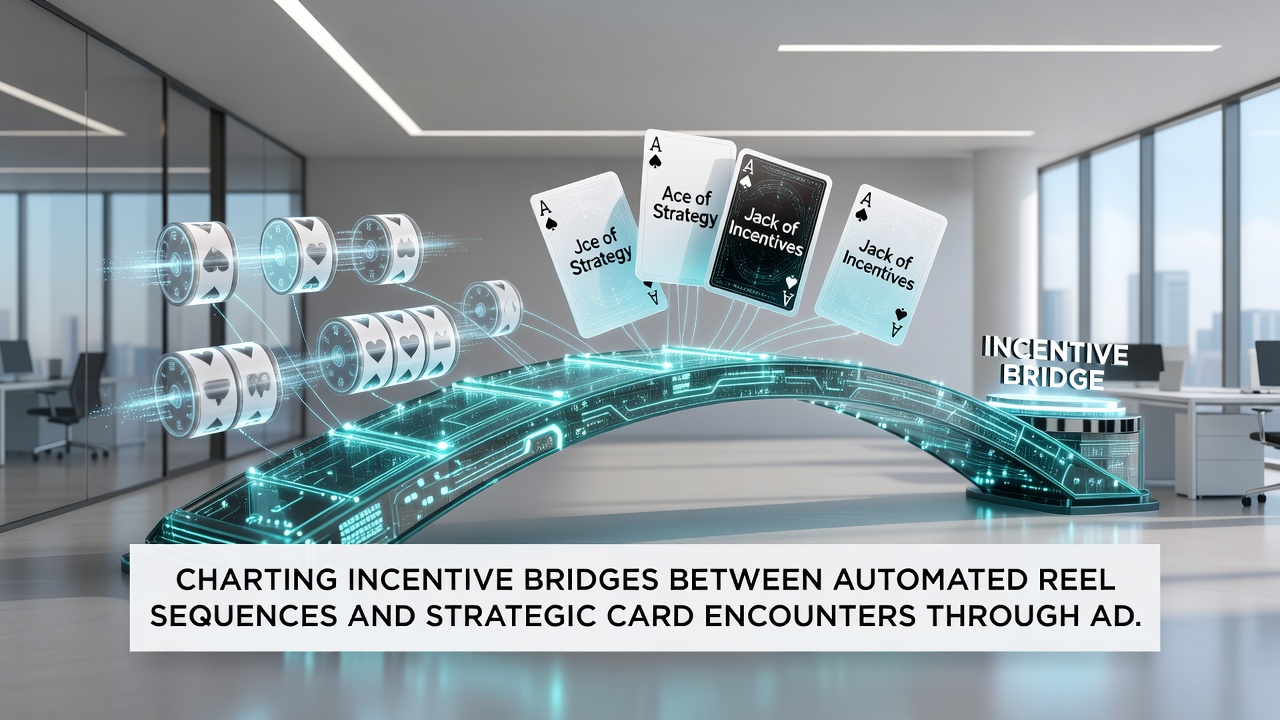
Incentive structures map progress from reel sequences onto card encounter rewards through shared point systems that accumulate regardless of which game category generates the activity. Figures released by trade associations in North America and the Asia-Pacific region show that operators offering cross-format loyalty tracked higher retention rates during the first half of 2026 than those maintaining separate point pools. The mapping process typically assigns base values to each spin or hand then applies multipliers when funding channels detect consecutive activity without interruption.
Compact interfaces display these accumulating totals in persistent header bars that remain visible while users move between reel grids and card layouts. Color-coded indicators signal when additional funding would unlock the next tier and link directly to the adaptive deposit screen. Studies from university research centers have documented that such visual continuity correlates with fewer abandoned sessions when players attempt to shift formats mid-play.
Regulatory Context and June 2026 Developments
State and national regulators continued to examine how mobile funding channels interact with responsible gaming tools throughout spring 2026. In June several jurisdictions published updated guidelines requiring clearer disclosure of how loyalty points transfer between automated and strategic game types. Operators responded by embedding explanatory pop-ups within the aid network interfaces so users receive format-specific information at the moment of each point award.
International gaming oversight bodies released comparative data sets showing variation in transaction speeds across different compact platforms. These reports highlighted that adaptive systems capable of routing funds while support agents remain available produced fewer compliance queries than static payment menus paired with delayed response options.
Technical Architecture Enabling the Connections
Backend systems synchronize reel outcome servers with card game engines through application programming interfaces that also feed into centralized funding ledgers. When a player initiates a deposit the ledger updates both formats simultaneously so that reel bonuses and card table buy-ins draw from the same balance without manual reconciliation. Responsive aid networks tap into these same data streams to answer queries about point balances or pending transfers without transferring users to external portals.
Security protocols encrypt all funding movements and limit exposure of card or account details to the compact interface layer only. Industry audits conducted in the first and second quarters of 2026 confirmed that platforms employing this layered approach maintained certification standards across multiple testing laboratories.
Conclusion
The architecture that charts incentive bridges between automated reel sequences and strategic card encounters relies on adaptive funding channels and responsive aid networks operating together on compact interfaces. Continued refinement of these elements during 2026 has produced measurable alignment between different game formats while meeting evolving regulatory expectations. Observers continue to monitor how these systems evolve as mobile usage patterns shift and new funding methods enter the market.