Behind the Screens: How Dedicated Response Teams Bridge Payment Flows and Promotional Milestones in Portable Casino Environments
Written by Olivia Lange · Jul 7, 2026
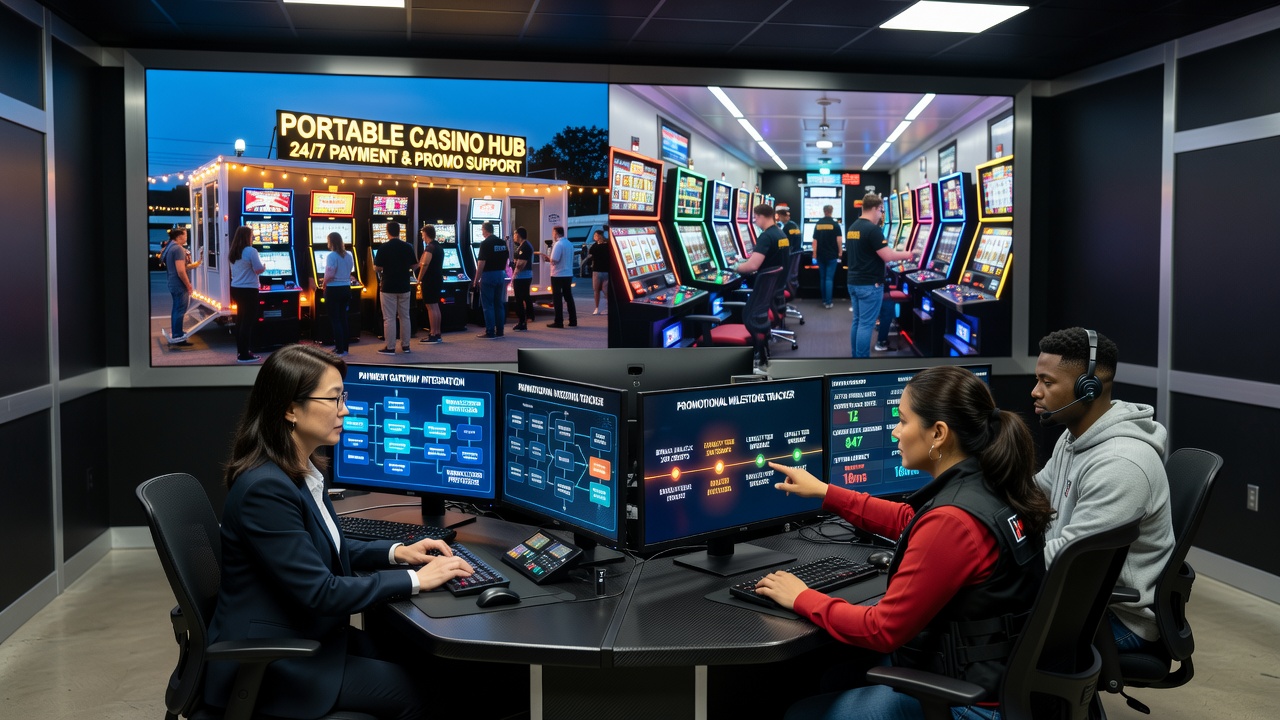
Behind the Screens: How Dedicated Response Teams Bridge Payment Flows and Promotional Milestones in Portable Casino Environments
Portable casino environments operate through smartphone applications that connect users to slots, table games, and live dealer streams while managing real-time financial transactions and loyalty advancements. Dedicated response teams function as the operational layer that resolves payment discrepancies, verifies transaction statuses, and aligns those processes with promotional triggers such as bonus unlocks or status upgrades. Observers note that these teams coordinate across multiple data streams, including digital wallet confirmations and game session logs, to maintain continuity for players engaged in handheld sessions.
Operational Structure of Response Teams in Mobile Settings
Response teams typically consist of specialists trained in transaction monitoring, regulatory compliance, and customer account management, with shifts organized to cover peak activity periods across global time zones. These groups receive alerts through centralized dashboards that flag delayed deposits, mismatched withdrawal requests, or interrupted promotional redemptions during live dealer interactions. Data indicates that integration with payment processors allows teams to trace funds from initiation through settlement while cross-referencing loyalty system records to confirm milestone eligibility.
Teams handle cases where a mobile deposit completes successfully yet the associated bonus fails to activate due to timing mismatches between banking networks and game servers. In such instances staff verify the transaction timestamp against promotional rules, then manually trigger the reward or escalate the case to technical support for automated fixes. Research from industry reports shows that response times under five minutes correlate with higher retention rates during extended mobile play sessions.
Payment Flow Coordination and Promotional Synchronization
Payment flows in portable environments involve multiple gateways, including e-wallets, bank transfers, and prepaid card options, each carrying distinct processing latencies that can affect promotional timing. Response teams monitor these pathways through unified interfaces that display both financial ledgers and loyalty progress bars simultaneously. When a deposit clears, the system checks for active campaigns tied to that transaction type and amount, then activates rewards without requiring the player to exit the current game session.
Coordinated efforts become particularly relevant during live dealer sequences where players may receive instant-win bonuses or tier advancement notifications mid-hand. Teams intervene when network congestion delays confirmation, ensuring the promotional milestone registers before the session concludes. Figures from gaming analytics platforms reveal that synchronized payment and reward systems reduce support ticket volumes by connecting transaction events directly to loyalty engines.
Technical Integration Points Across Platforms
Mobile applications interface with backend systems through APIs that transmit payment confirmations to loyalty databases in near real time. Response teams access these connections via secure portals that allow manual overrides when automated handoffs encounter errors, such as currency conversion discrepancies or regional banking restrictions. Experts have observed that dedicated assistance networks maintain logs of every intervention, creating audit trails that support compliance with varying jurisdictional requirements.
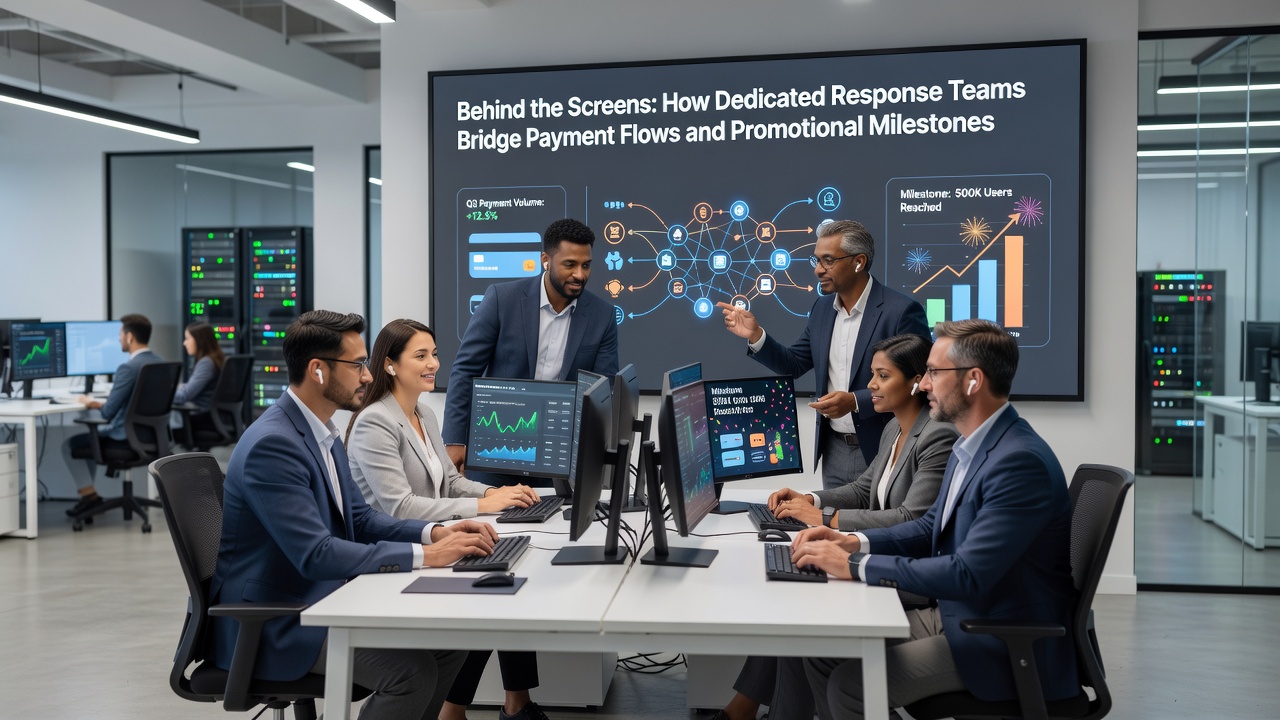
During July 2026 several regional operators reported upgrades to their mobile infrastructure that expanded the visibility of response teams into both payment rails and promotional calendars. These enhancements enabled simultaneous tracking of deposit bonuses, cashback tiers, and live-stream incentives within a single dashboard view. Teams subsequently reduced average resolution times for milestone-related queries while maintaining separation between financial data and gameplay logs to meet data protection standards.
Case Examples from Industry Operations
One documented workflow involves a player completing a mobile deposit during a live blackjack session only to encounter a delayed bonus credit. The response team receives an automated flag, confirms the payment through the processor API, and applies the promotional layer within the loyalty system before the next round begins. This process relies on predefined escalation paths that route complex cases to senior analysts when regulatory holds appear on certain transaction methods.
Another pattern emerges when players advance VIP tiers through accumulated mobile play yet experience interruptions in reward delivery due to pending verification steps. Teams cross-check identity documents against payment histories and release status upgrades once all checkpoints clear. According to reports from the Canadian Gaming Association, such coordinated interventions help operators meet service benchmarks across smartphone-based platforms.
Regulatory and Compliance Considerations
Portable casino operations fall under multiple oversight frameworks that require clear documentation of how payment events connect to promotional outcomes. Response teams maintain records that demonstrate fair application of rules, including timestamps for each manual adjustment and justifications for overrides. Data from the Australian Communications and Media Authority highlights the importance of transparent audit trails in mobile gaming environments where transaction volumes fluctuate rapidly.
These practices ensure that promotional milestones remain accessible regardless of temporary payment delays, while preserving the integrity of both financial and loyalty systems. Teams also participate in periodic training sessions that cover updates to regional payment regulations and emerging mobile security protocols.
Conclusion
Dedicated response teams serve as the connective tissue between payment infrastructure and promotional mechanisms in portable casino environments. Their work centers on real-time monitoring, manual intervention protocols, and cross-system verification that keeps mobile sessions uninterrupted. As operators continue to refine mobile platforms through 2026 and beyond, the role of these specialized groups remains central to maintaining operational continuity across transaction flows and loyalty advancements.